
Limited Market Access
Many rural producers depend on informal and unpredictable markets.
Building a professional honey industry from South Sudan’s natural resources, local knowledge and rural communities.
Section 1
South Sudan is home to vast natural landscapes, including savannahs, woodlands, riverine environments and shea-rich ecosystems.
Across these landscapes, bees forage on a diverse range of flowering plants throughout different seasons.
For generations, South Sudanese communities have interacted with these environments through agriculture, livestock, forestry and traditional beekeeping.
Honey is therefore not a new resource to South Sudan.
What is new is the opportunity to build the systems needed to take South Sudanese honey from local production to organized regional and international markets.
“That is where Nilotica comes in.”
Section 2
South Sudan has the natural resources and environmental conditions to develop a significant honey industry.
However, turning natural potential into a reliable commercial industry requires more than bees and forests.
It requires:
Nilotica was established to help build these systems.
Section 3
Historically, honey producers have faced challenges including:
Many rural producers depend on informal and unpredictable markets.
Differences in harvesting, storage and transportation can affect honey quality.
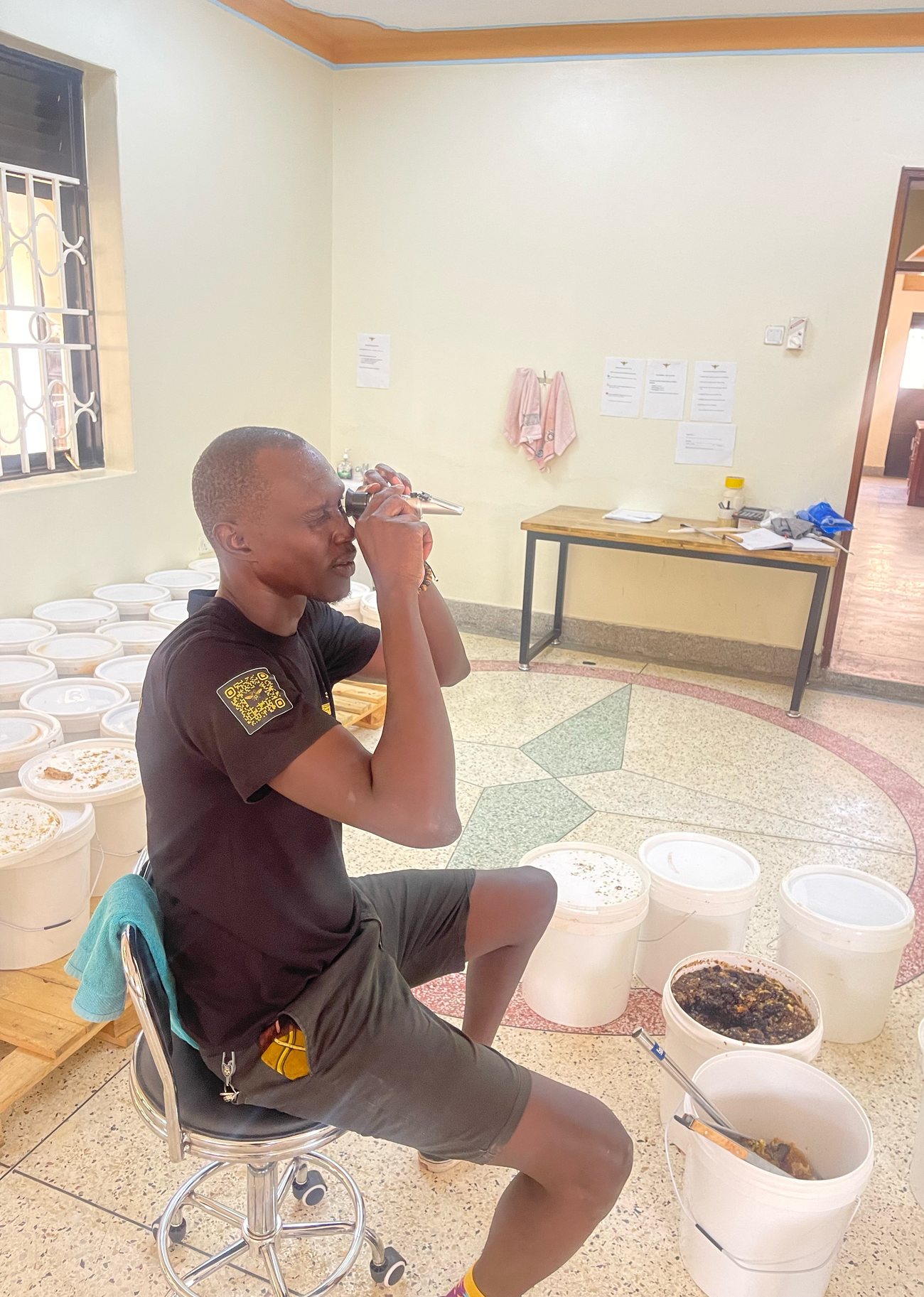
Without reliable testing, producers and buyers may have difficulty establishing consistent product specifications.
A large portion of the value of agricultural products can be created outside the communities where they are produced.
Traditional supply chains often provide limited information about where and when honey was harvested.
Reliable commercial volumes require organised collection and consistent quality across many producers.
Nilotica’s model is designed to address these gaps systematically.
Section 4
We are building a honey company around five interconnected areas:
Build relationships with productive beekeeping communities.
Introduce clear quality and handling procedures.
Develop professional local processing and packaging.
Link South Sudanese producers with regional and global markets.
Build a larger, reliable supply network over time.
Section 5
To build a world-class honey value chain in South Sudan that delivers exceptional, traceable honey products, creates stronger markets for local beekeepers and generates sustainable economic value from the country’s natural resources.
Section 6
To establish South Sudan as a globally recognized origin for exceptional African honey.
Section 7
Five principles that govern how we make decisions.
We build systems that make quality measurable, controlled and repeatable.
We communicate honestly about our products, sourcing, capabilities and limitations.
We build systems that connect honey batches to their collection and processing records.
We seek to create economic value around the natural environments that support honey production.
We believe the growth of the honey industry should create opportunities for beekeepers, communities, employees and commercial partners.
Section 8
We envision a South Sudan where honey is not simply a rural commodity but a professional agricultural industry.
An industry with:
Nilotica is building toward that future one batch, one beekeeper and one customer at a time.
Final Step
Whether you keep bees, buy honey or simply believe in the origin, there is a place for you in this value chain.